Why Table Image Can Influence Your Opponents
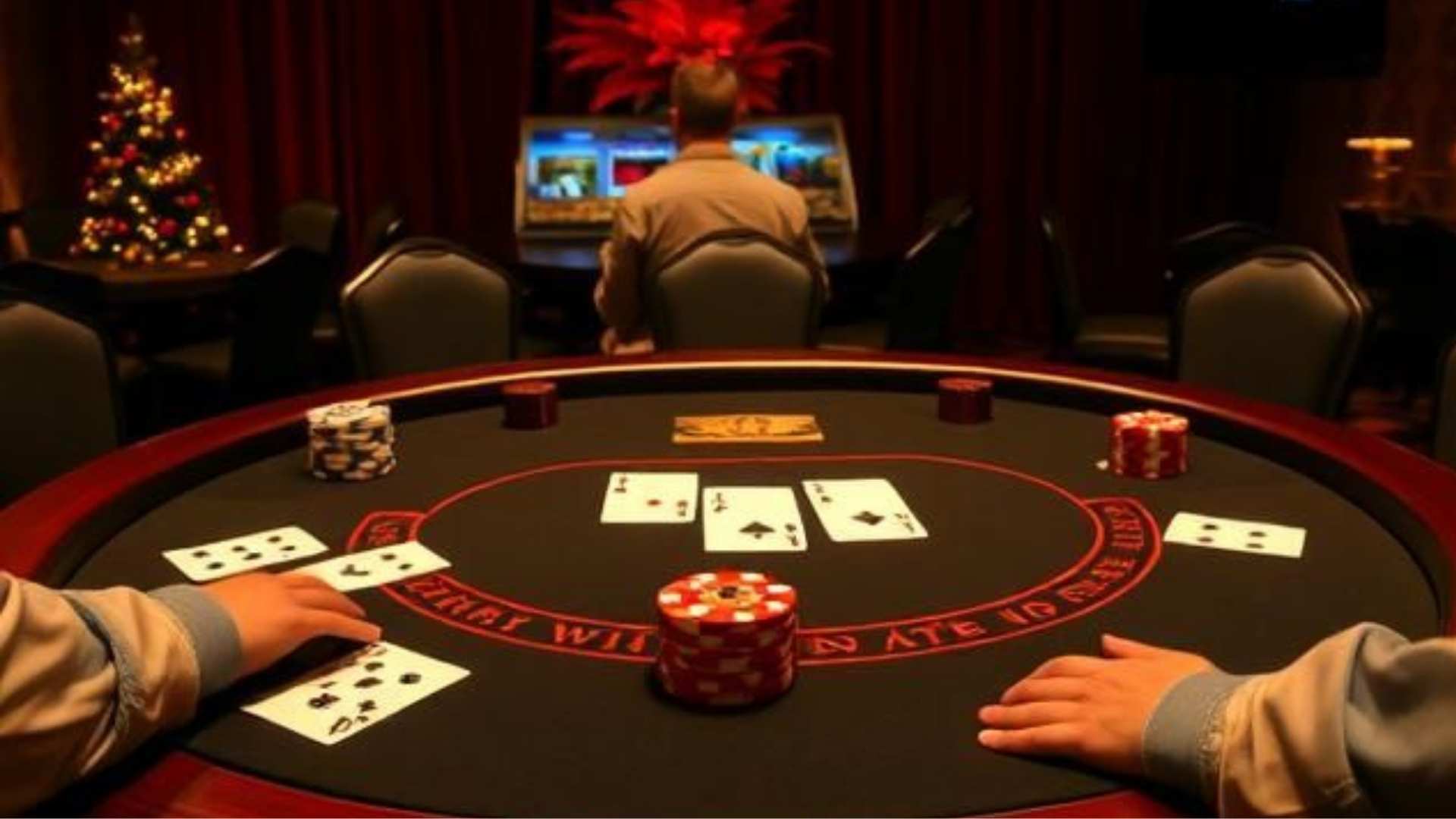
In competitive card games, table image represents the collective perception that other players form about your playing style over time. Rather than relying solely on card strength, strategic players use their reputation to manipulate how rivals react in critical situations. Understanding how perception shapes decision-making allows you to control the flow of the game and capitalize on your opponents' assumptions.
The Psychology Behind Opponent Perception
Players naturally categorize their rivals into specific archetypes based on early observations and betting patterns. When an opponent labels you as tight or aggressive, they begin making predictable adjustments to their own strategies. This mental shortcut reduces their cognitive load but creates significant opportunities for observant competitors to exploit.
By recognizing how others perceive your actions, you can anticipate their counter-moves before they make them. Players who are aware of their public perception can intentionally trigger specific responses from the rest of the table. This psychological leverage often proves more valuable than the cards dealt in any single hand.
Exploiting a Tight Reputation for Strategic Bluffs
When you establish an image of discipline, opponents naturally assume that your aggressive actions indicate exceptional hand strength. This high level of perceived credibility allows you to execute successful bluffs with marginal holdings. Rivals are far more likely to fold strong hands when they believe you only enter pots with premium cards.
To maintain this powerful reputation, you must selectively show strong hands after uncalled bets to reinforce their beliefs. Many players who analyze digital gaming trends via www m88 com login study these strategic dynamics to refine their tactical approach. Over time, cultivating a tight image maximizes your fold equity and keeps opponents on the defensive.
Leveraging an Aggressive Image for Value Extraction
Conversely, a loose or aggressive table image encourages rivals to call your bets with much wider hand ranges. When opponents view you as unpredictable or reckless, they frequently suspect you of bluffing during major betting rounds. This perception allows you to extract maximum value whenever you secure a genuinely powerful hand.
The key to capitalizing on an aggressive reputation is knowing precisely when to shift gears back into value-driven play. Opponents eager to catch you bluffing will willingly pay off your strong hands, boosting your long-term returns. Managing this dynamic requires constant calibration to ensure your aggressive plays remain profitable.
Adapting Your Image to Changing Table Dynamics
A static table image loses its effectiveness once attentive opponents notice your underlying strategic patterns. Top-tier players continuously monitor how their reputation evolves during a session and adjust their tactics accordingly. Switching seamlessly between tight and aggressive styles prevents rivals from developing accurate counter-strategies.
Dynamic adaptability ensures that your opponents remain uncertain, forcing them into costly analytical errors. By actively shaping and shifting your table image, you retain complete control over how others interpret your moves. Mastering perception management ultimately elevates your overall game strategy far beyond basic hand selection.